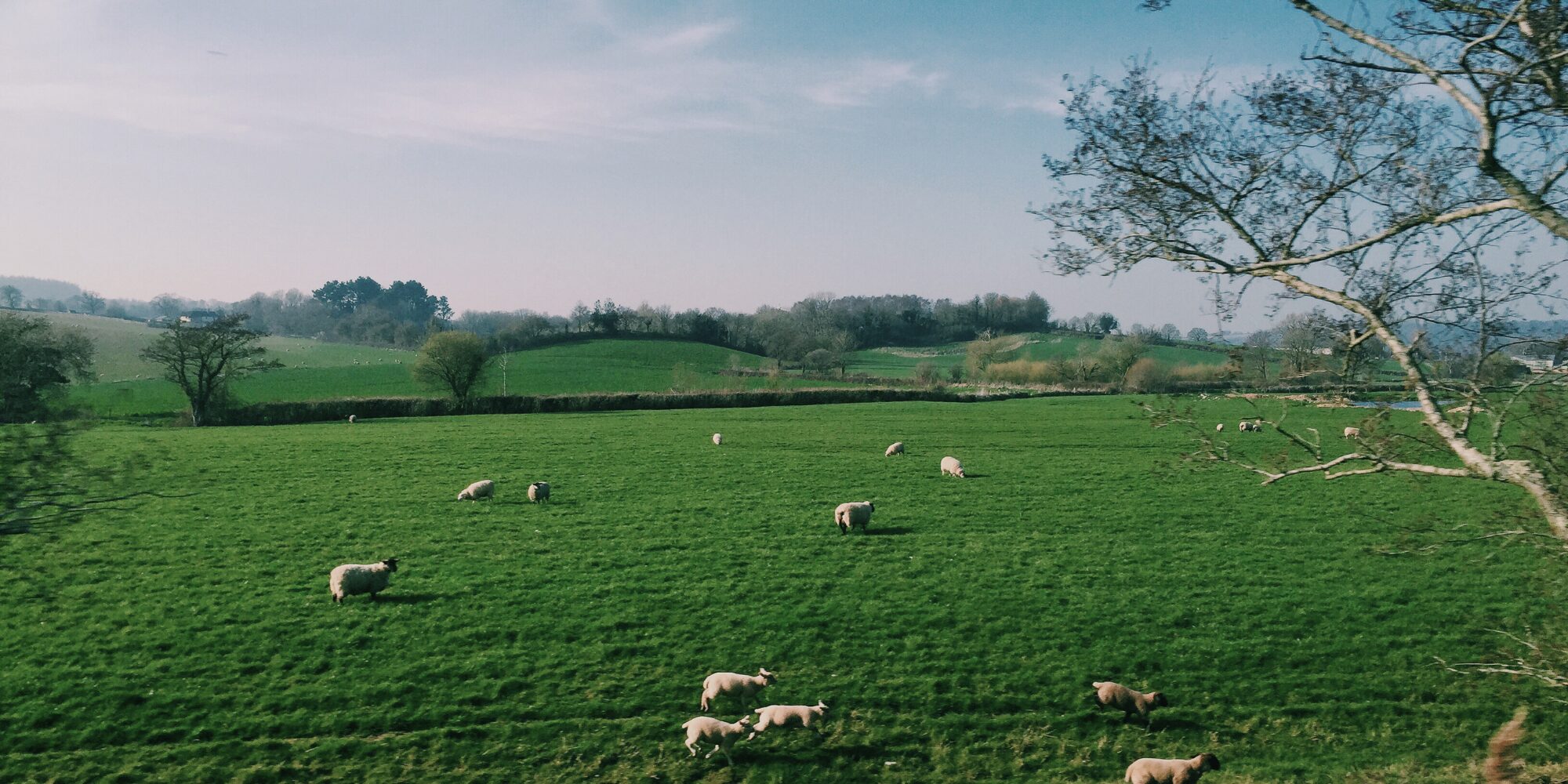
Farm diversification is becoming an increasingly important strategy for UK farmers looking to strengthen income, reduce risk and future-proof their businesses. With rising operational costs, looming changes to inheritance tax laws, and increasingly cheaper imports of produce from abroad, relying solely on traditional farming income is no longer viable for many British farmers.
As a result, more farmers are exploring ways to make better use of their land to create additional revenue streams.
What Farm Diversification Really Means
Farm ‘diversification’ is the process of expanding beyond traditional agriculture to create additional income streams. Instead of relying solely on crops or livestock, farmers are making more creative use of their land, buildings and existing assets to introduce new ventures. From farm shops and pick-your-own, to pet boarding and glamping, farmers are exploring alternative ways to increase profits from their land and yield.
Self storage and solar are also attractive diversification options for farmers. With significantly less ongoing maintenance and staffing required compared to options such as glamping and shops, self storage can help generate consistent revenue from idle or non-arable land. Building a more resilient and future-proof business is the end goal for farmers exploring diversification options.
Why Farmers Are Diversifying Their Income
The assumption that most farmers are ‘rich’ is a common one. One of the main oppositions to upcoming changes to inheritance tax laws supports the firm reality that many UK farmers are asset-rich, but profit-poor. Land which has been passed down through generations of farmers has increased in value, whilst traditional farming isn’t reaping the profits that it used to.
Alongside this, rising operational costs influenced by minimum wage increases and higher business rates since the COVID pandemic are pushing farmers to fortify their income.
In the sections below, we explore a range of popular farm diversification ideas, outlining how each works, what to consider before getting started, and the potential benefits they can bring to your business.
1. Farm Shops
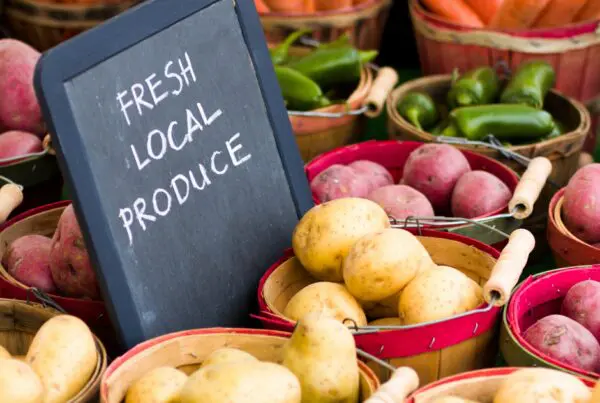
Bypassing the middleman and selling directly to customers can be very successful for farmers. Customers often expect to pay more than supermarket prices in farm shops, and in more affluent areas, premium produce such as organic vegetables and free-range meat can be sold at a higher price point. Farm shops can also accommodate a café, selling homemade or locally made cakes, snacks, and hot drinks with higher profit margins.
2. Farm Tours
As agri-tourism continues to trend, experiences such as farm tours, farm stays, and pick-your-own are becoming more popular. With increased public interest in where food comes from, farm tours showcase the charm of rural life whilst encouraging visitors to ‘shop local’ from complementary farm shops, cafés and experiences.
3. Pick Your Own
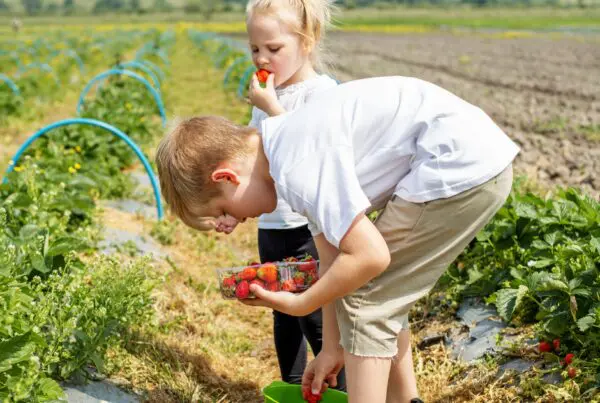
Another seasonal option for diversifying farmers’ income includes Pick Your Own (PYO). From strawberries in summer to pumpkins in autumn, themed PYO events are family-friendly and can be complemented by other revenue streams such as a farm shop or café.
4. Animal Feeding Experiences
From hands-on experiences like ‘cow cuddling’ to interactive animal feeding sessions, family-friendly attractions offer farmers a simple yet effective way to diversify their income. These activities are particularly popular with young families and can be easily aligned with peak periods such as Easter and the spring half term. By capitalising on existing livestock and timing events around school holidays, farmers can generate additional revenue without significant upfront investment.
5. Alternative Crops & Livestock
As scrutiny over battery and low-welfare farming practices intensifies, the market for free-range and small-batch local produce continues to grow. Fine-tuning your crops or livestock to meet the demands of your customers (rather than supermarket buyers) can help maximise returns on your yield.
Alternative crops such as buckwheat are gaining popularity, particularly where farmers collaborate with local businesses like health food shops. Similarly, alternative livestock such as Wagyu cattle can be marketed directly to consumers as premium products, offering higher margins and greater control over pricing.
6. Pet Boarding
Running a cattery or kennels can be an effective way to make use of existing outbuildings or underutilised barns. A rural setting naturally lends itself to pet boarding, offering more space, fresh air and a quieter environment that appeals strongly to pet owners looking for a more relaxed, ‘home-from-home’ experience for their animals.
Demand for pet boarding remains consistent throughout the year, with peaks during holiday seasons, making it a reliable diversification option compared to more seasonal ventures.
7. Solar Farms
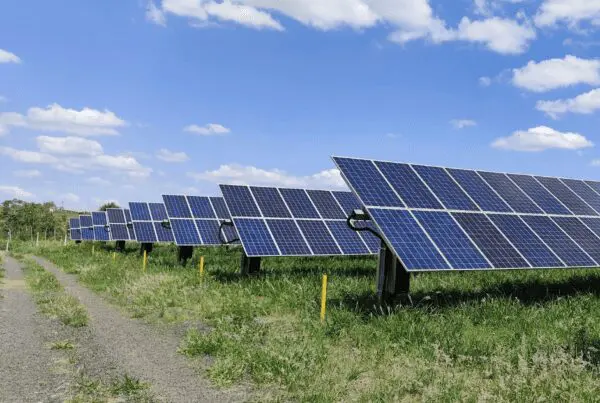
Solar can help farmers increase revenue by leveraging their existing roof and land infrastructure. Installing solar panels can also help power other ventures such as farm shops and glamping sites, offsetting existing energy costs with the opportunity to sell excess energy back to the grid for profit.
8. Weddings & Events
It’s official – barn weddings are back! According to a recent Vogue article, 2016 ‘rustic chic’ is trending again a decade later, with barn weddings the second most popular choice for couples in 2026. Utilising empty outbuildings as rustic event spaces can be a great way to increase your profits, with the lucrative wedding industry providing an opportunity to undercut the big venues with budget-friendly ‘DIY’ wedding venue options.
9. Glamping & Camping
From shepherd’s huts to bell tents, glamping can also be a profitable use of idle or non-arable land. Choosing premium accommodation such as cabins or fully equipped pods gives farmers the opportunity to charge higher nightly rates, particularly when paired with scenic views or unique rural experiences.
Rising international travel costs and growing uncertainty around global events and political tensions are further contributing to the continued popularity of staycations across the UK. As a result, many travellers are choosing to holiday closer to home, seeking countryside escapes that offer both comfort and a connection to nature.
Glamping can also complement other diversification ventures such as farm shops and tours, encouraging guests to spend more during their stay.
10. Container Self Storage
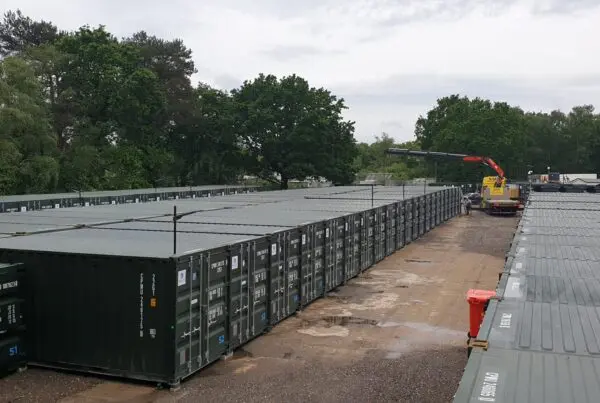
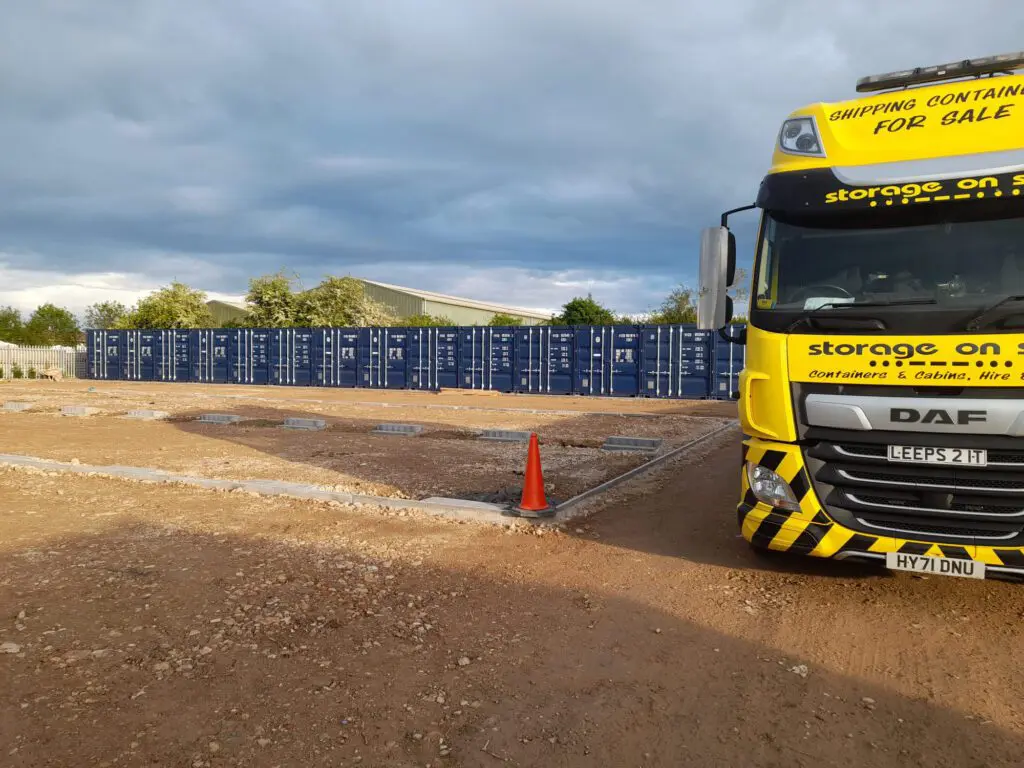
Self storage appeals to farmers because it requires very little ongoing maintenance. Once a site is set up, it can be managed remotely or with minimal on-site involvement, helping to keep operating costs low and margins high. Container self storage in particular, offers a scalable and low-maintenance way to maximise profit per square metre of outdoor space.
‘Drive-up’ outdoor self storage gives your customer unique value in comparison to indoor self storage facilities, appealing to businesses or customers looking to store bulky items such as vehicles or furniture.
Attracting both domestic customers and businesses alike, self storage sites provide predictable monthly income and are a scalable business model. With many storage container suppliers offering flexible finance options such as hire-to-buy, it’s also possible to get started without significant upfront investment.
At Storage on Site, we work with farmers across the UK to help diversify their income and increase profits with container self storage. As a leading supplier of storage containers, site cabins and welfare units, our team guides you through the entire process, from planning your site layout, to delivery by our own fleet of trucks.
As a family-owned business, we work hard to help you get the most value from your land, with free site visits and complimentary digital CAD layout drawings. Our in-house container conversion team also works with you directly to produce bespoke toppers and multi-door units, helping make profit from your vertical space as well as square footage.
Thinking about starting or growing a self storage site? Give us a call today on 023 8033 2266 or email sales@storageonsite.co.uk.
Related articles
10 Ways For Farmers To Diversify Their Income
Safeguarding Your Self Storage Units from Condensation