
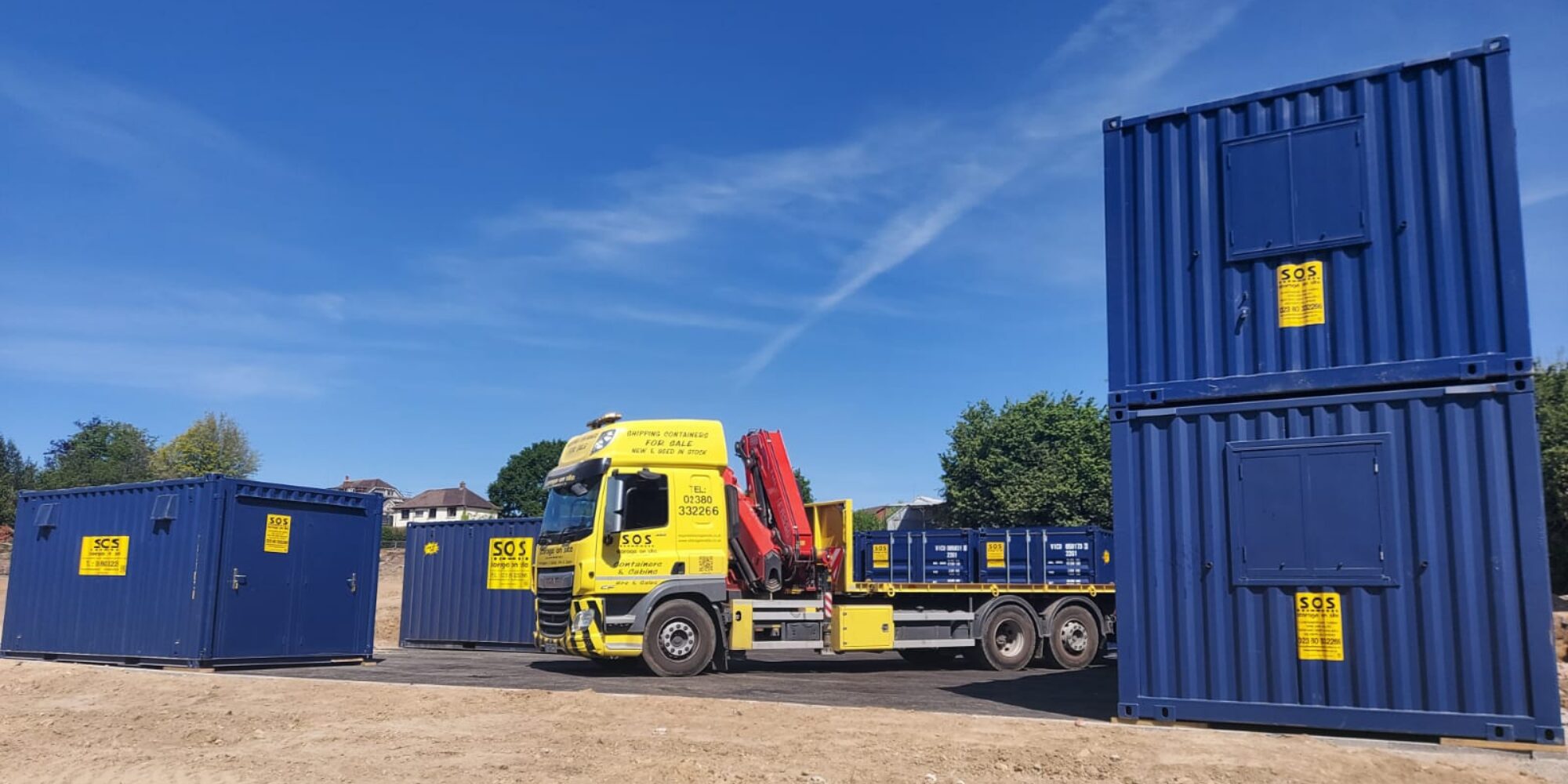
Built to transport cargo across oceans, withstand harsh weather conditions, and protect freight with their durable Corten steel structure, shipping containers are a reliable and secure storage solution for a wide range of uses. While containers are designed with built-in ventilation and weatherproofing, there are still some best practices that can help reduce excess heat and moisture build-up during hotter weather.
Simple preventive steps can go a long way toward keeping belongings, equipment, and tools safe, dry, and in good condition throughout the summer months.
As a family-owned business with over 55 years of experience in container hire and sales across the South, Storage on Site works with homeowners, builders merchants, schools and businesses of all sizes. From practical storage advice to the right container for the job, we have picked up plenty of useful tips to help you get the most out of your container storage during hot weather.
Three Top Tips for Summer Container Storage
When in direct sunlight, steel storage containers can heat up significantly. When the temperature cools at night, moisture in the air inside the container condenses, which is why you will sometimes notice beads of condensation on your container ceiling.
Storage containers have multiple built-in vents to help encourage airflow, but if you are concerned about condensation, there are some easy steps you can take to help.
1. Improve Ventilation in Your Shipping Container
Simply opening the doors every now and again can help air out your unit, increase the flow of cool air and push out humid air. We especially recommend this if you have not opened the unit for a while. The best time to do it is early morning or in the evening, when the air is cooler.
2. Pack Your Container Mindfully for Summer Storage
If you are storing soft furnishings, cover with a breathable cotton sheet or fitted bedsheet to protect from dust. Wrapping white goods (like fridges or freezers) in plastic helps to keep internal moisture from spreading within the container and affecting your other stored items.
The way items are packed also makes a difference. Leave gaps between boxes to improve airflow. Our Racking, or your own shelving, is a great way to spread things out while making good use of the vertical space you have available.
3. Use Moisture Protection Inside the Container
If condensation is a concern and you want to take extra precautions, there are a couple of options worth considering. A popular choice for household storage is our Furniture Grade Container, which includes a layer of spray foam insulation on the ceiling. As well as keeping heat in during colder months, the insulation also slows the transfer of heat from outside to inside during summer, helping keep your belongings cool and dry.
Dampsticks are a low-cost moisture control accessory that uses desiccants to absorb moisture from the air. When the Dampstick is full, it changes from white to purple, letting you know it is time to replace it.
Tips for Homeowners: Summer Container Storage
Summer is a great time to free up space at home, whether you are renovating, decluttering or just need somewhere to put things while work gets done. Here are a few practical tips to help keep your belongings safe and in good condition during warmer weather.
- Keep soft furnishings off the floor – Pallets, shelving or our racking will raise items up, improve airflow underneath and help protect against moisture. Avoid wrapping things in plastic as breathable cotton covers work much better in summer.
- Pack with access in mind – If there are items you will not need until autumn, store them at the back. Keep anything you might need to grab regularly near the doors. It also makes it much easier to air the container out when you open up.
- Pick up a Dampstick – They are low-cost and simple to use. When the indicator changes colour, you know it is time to replace it. Good peace of mind if you are storing anything you would rather not have to replace.
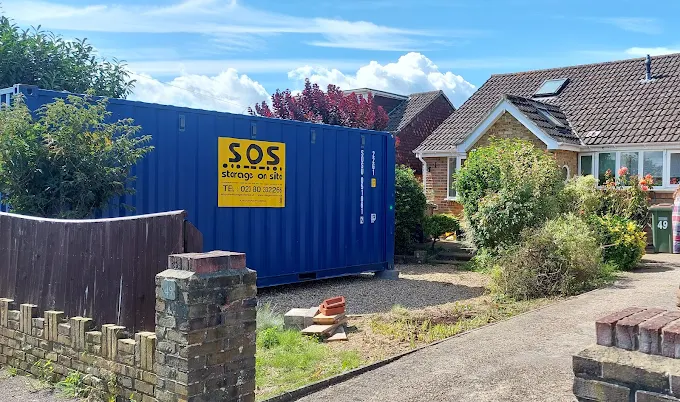
Tips for Tradespeople: Looking After Tools and Materials in the Heat
A container on site keeps your tools, stock and materials secure, but hot weather is worth planning for. A few small habits can save you a lot of hassle.
- Take care of tool batteries – Lithium-ion batteries do not do well in excessive heat. Where you can, remove battery packs overnight and store them somewhere cooler.
- Open the doors morning and evening – It takes seconds and makes a real difference. Cool air in at the start of the day, warm air out at the end. One of the easiest things you can do to manage heat and humidity inside the unit.
- Use racking to keep things organised – Getting materials off the floor and spread across shelving helps with airflow and reduces the risk of items warping or rusting. Our racking is designed to fit neatly inside standard containers.
- Storing chemicals or flammable materials? Our bunded COSHH containers are built for exactly that featuring floor drainage and larger vents, too. They will keep your site compliant and your materials properly contained, whatever the weather.

You Can Rely on Your Storage Container Year-Round
Shipping containers are built to handle tough conditions, and with a few simple steps, summer is no exception. Whether you are a homeowner making space for a project or a tradesperson keeping a site running smoothly, the right storage habits go a long way.
Our team is always happy to help, whether you are unsure which container suits your needs or you just have a question about getting the best from your unit. We are a family business and we like to think it shows. Real people, straightforward answers and a service that works for you.
Ready to get started? Get a quick quote or call our friendly team and we will take it from there.
Frequently asked questions
Can you store furniture in a shipping container?
Yes. Shipping containers are a popular choice for furniture storage, particularly during home renovations or house moves. To keep furniture in good condition, avoid plastic wrapping and use breathable cotton covers instead. Raising items off the floor on pallets or racking also helps with airflow. For extra peace of mind, our Furniture Grade Container includes ceiling insulation to help regulate temperature and reduce condensation.
Do shipping containers get hot in summer?
Steel containers can heat up in direct sunlight, but there are simple steps to manage this. Opening the doors during cooler parts of the day encourages fresh air through the unit. Positioning the container in a shaded area where possible, using racking to improve internal airflow and adding a Dampstick to control moisture all help keep the interior comfortable for storage throughout summer.
How do I stop condensation in a shipping container?
All our containers come with multiple built-in vents to encourage airflow. You can reduce condensation further by airing the unit regularly, packing items with gaps between them and using breathable covers rather than plastic on soft furnishings. Dampsticks are a low-cost way to absorb excess moisture, and our Furniture Grade Containers include spray foam ceiling insulation that helps slow heat transfer and reduce condensation.
How secure is a shipping container?
Shipping containers are built from heavy-gauge Corten steel and are designed to be weather-tight and highly secure. They are fitted with padlocks and lockboxes for additional protection. All our containers are well-maintained and delivered in clean, dry and secure condition.
Can tradespeople hire a container for a short period?
Yes. We offer flexible hire terms (minimum 4 weeks) to suit all kinds of projects, whether you need a container on site for a month, a year, or several years. We work with tradespeople, contractors and builders merchants across the South and can arrange delivery and collection around your schedule.
What size shipping container do I need?
This depends on what you are storing and the space you have available. We offer containers from 8ft up to 40ft, so there is usually a size to suit most projects. If you are not sure, our team is happy to talk through your requirements and point you in the right direction. No hard sell, just straightforward advice.
Related articles
Summer Shipping Container Storage Tips

More Than a Shipping Container: Accessories to Consider